

GUEST POST: Small Paws, Big Purpose
How Pets Boost Mental Health Through Purpose

I’m delighted to welcome back Cindy Ojczyk (“oh-check”) to the Guest Post series of Dog Lover’s Guide! I’ve long admired Cindy’s passion for animal rescue, insight into the parallels between human and animal experiences, and brilliant (award-winning!) writing.
My youngest daughter shouted into the phone, her voice bubbling like a kindergartner petting a puppy. “Mom, Shelby’s playing with the Santa toy, tossing it in the air and growling as it falls. She’s playing by herself!”
The apricot poodle tossing the toy had been a trembling knot of fur and fear when she arrived at our foster home several months prior. For her first four years of life, Shelby had lived in a wire cage barely bigger than her 10-pound frame stacked above and below other dogs, one anonymous body among a thousand in a puppy mill. No soft beds. No walks or playtime. No gentle touch. Just breeding over and over.
My daughters, Anna and Mia, and I met her on a frigid morning when we volunteered to help unload a rescue transport van. The van carried only a fraction of the two hundred dogs saved by an animal welfare group after the puppy mill owner surrendered them; the breeder had already killed a thousand other dogs. When we opened the van doors, the stench of feces and vomit greeted us with a punch. And then, out came the carriers with tiny dogs shaking, eyes pleading.
Newly named, Shelby was the last dog on the van to be placed in a foster home—ours. We buckled her between the girls for the drive home.
That night we began the painstaking work of washing away four years of matted feces and urine. After three baths and endless rinsing, Shelby collapsed in Mia’s arms, wrapped in a towel. That was the moment our tag team effort began to help her learn how to be a dog and a companion.
Because Shelby had never lived outside a cage, our home might as well have been on another planet. Everything inside and outside frightened her. Human affection made her freeze. Snow terrified her. Our quiet house confused her. We set up a large crate with a soft bed and surrounded it with a small fence, creating a play “yard” where she could explore without being overwhelmed. We gave her what she never had—space and gentle structure.
While the kids did homework and I worked nearby, our resident dogs, Margo and Poet, modeled the joys of dog life— chewing bones, wrestling over rope toys, dozing on cushy beds. Shelby watched and learned.
Weeks had passed when she tentatively reached a tiny paw through the fence, asking for contact. That was our sign to offer our hands and a quick pet. We began letting her explore our home. One day, she hopped onto the sectional where Margo, Poet, and the kids were gathered. She soon nestled herself among the slumbering canines and joined them with her own twitching paws.
Along the way, our kitchen chore board quietly evolved. “Pet care” assignments and household chores were rotated between Anna and Mia. Feedings, walks, and gentle socialization slowly transformed Shelby from breeding stock into a real pup.
Her dog spirit soon began to glow. She pranced down the hallway on clicking toenails, chased Margo and Poet in joyful zigzags, and wagged at the door when she wanted outside.
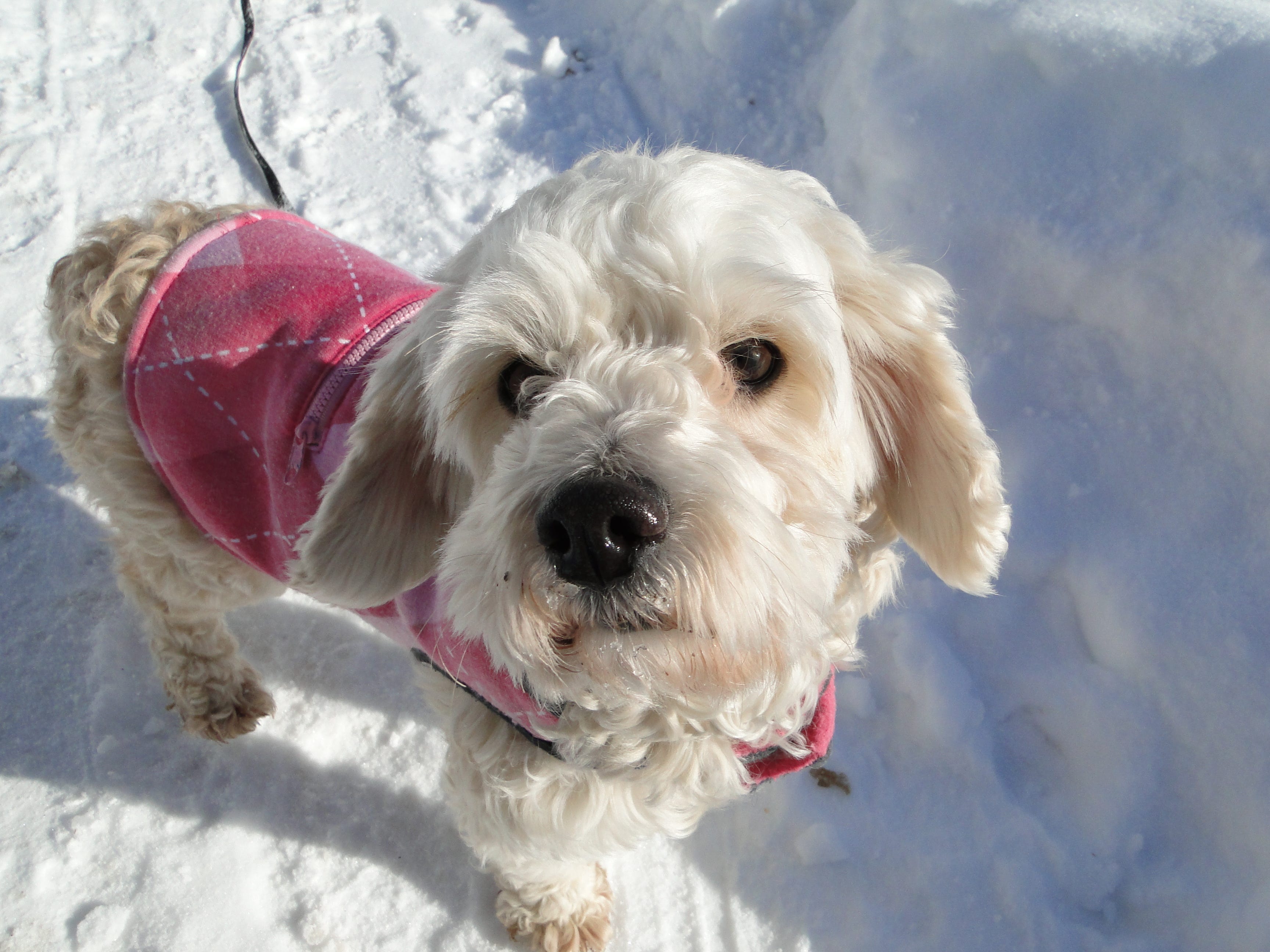
After Shelby was adopted, Mia and I visited her in her new home. She leapt into our laps, licking our faces with unrestrained joy, then nestled herself in her new mom’s lap—content, safe, loved. She remembered us, but she also knew where she belonged.
Shelby was the sixth dog we fostered—the number we originally agreed would be our limit. Yet, after her adoption, we didn’t consider stopping. Watching a traumatized dog rediscover life became our shared family purpose. Every transformation—Shelby’s and the dogs before her—was stitched together by our collective offering of consistency, safety, enrichment, and love.
What I didn’t expect was how much healing happened on our side of the leash.
My young teens were navigating the emotional chaos of adolescence—school stress, shifting relationships, the uneasy work of becoming themselves. Caring for fragile dogs like Shelby helped them better regulate their own swirling worlds. They found comfort in routine, pride in responsibility, and safety in being part of something steady and loving. They showed up for the dogs and in doing so, showed up for themselves.
Caring for these temporary pets created a family purpose big enough for all of us. It reconnected us at a time when adolescence was scattering us in different directions. We saved lives. But we also built memories that tethered us back to each other.
Foster pets don’t just receive care; they give it. They ground us in the present. They offer wordless gratitude. They create meaning through the simple act of needing us.
Shelby entered our home broken, but she left whole. And in the quiet way only animals can manage, she helped us become a little more whole, too.
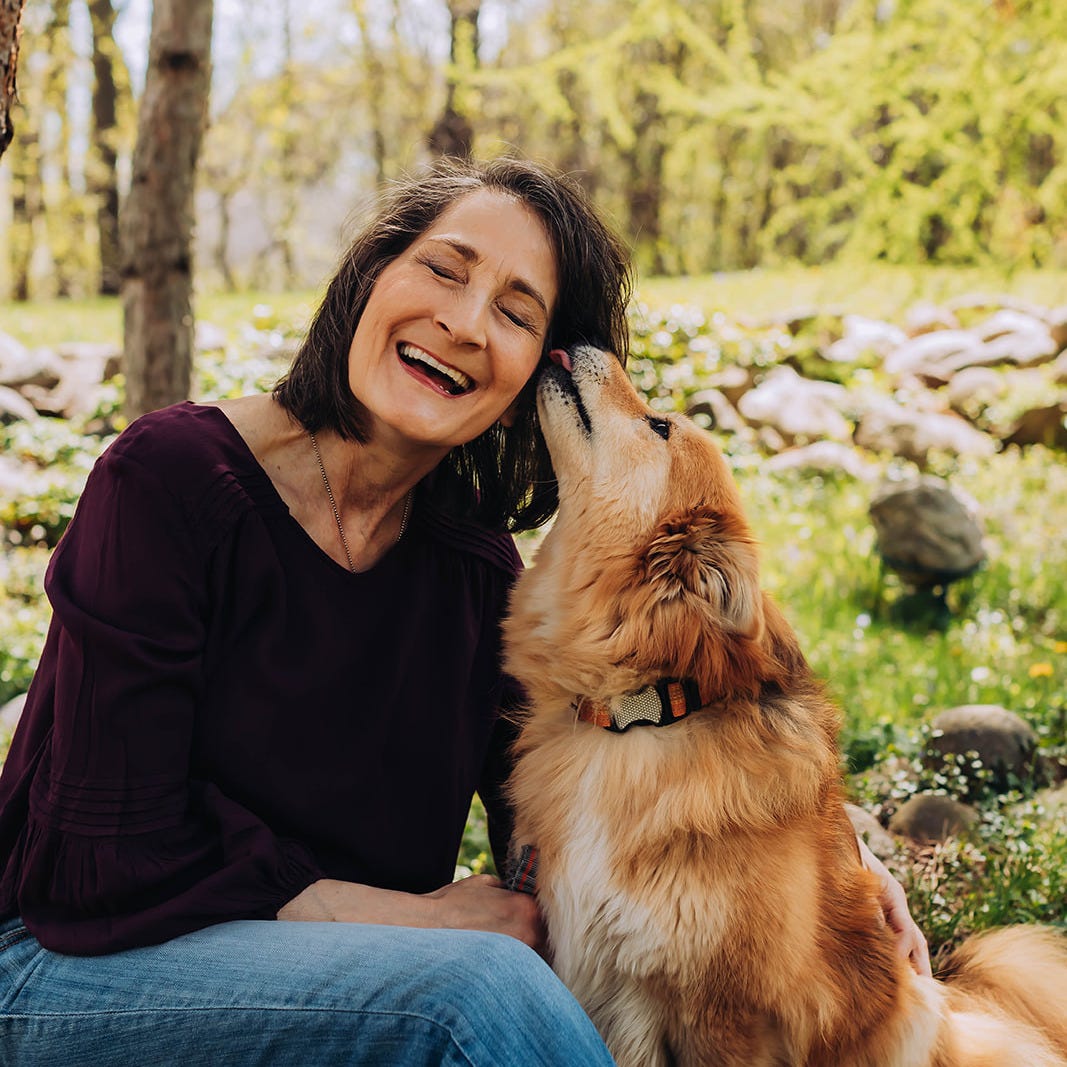
Cindy Ojczyk celebrates the beautiful, messy, love‑filled world of families—especially the furry members who steal the spotlight. An award-winning writer and author of Mom Loves the Dogs More: A Memoir of Family Rescue, she also publishes Like People, Like Pets, a weekly newsletter for anyone who believes pets make life richer. Fetch more of her work at www.cindyowrites.com.
SubStack is a wonderful platform for elevating the work of others. Thank you, Chloe, for sharing my story. We're united in our love of dogs and the way they can teach us to be better humans.
Brava foster family!!! What a gift you gave Shelby and her new family!!!